Thinking about a move to Mountain House but not sure what daily life really feels like? You’re not alone. Many Bay Area and Central Valley buyers hear about the villages, parks and schools, then wonder how it all comes together day to day. In this guide, you’ll learn how the village design works, what amenities you’ll use, how commutes typically look, what kinds of homes and fees to expect, and what community life is like through the seasons. Let’s dive in.
Where Mountain House fits in the region
Mountain House sits just east of the Altamont Pass at the edge of San Joaquin County. It bridges the Central Valley and the East Bay, which is why you see a mix of residents who work in Tracy, Lathrop or Stockton and others who commute toward Livermore, Pleasanton and beyond. It is a census‑designated place, not an incorporated city, with services delivered through San Joaquin County and the local Community Services District.
The Mountain House Community Services District (CSD) and County agencies coordinate parks, recreation, utilities and permitting. Some neighborhoods also have homeowner associations that manage rules and shared amenities. For demographics like population, household size and age mix, consult the latest data from the U.S. Census Bureau.
How the villages work
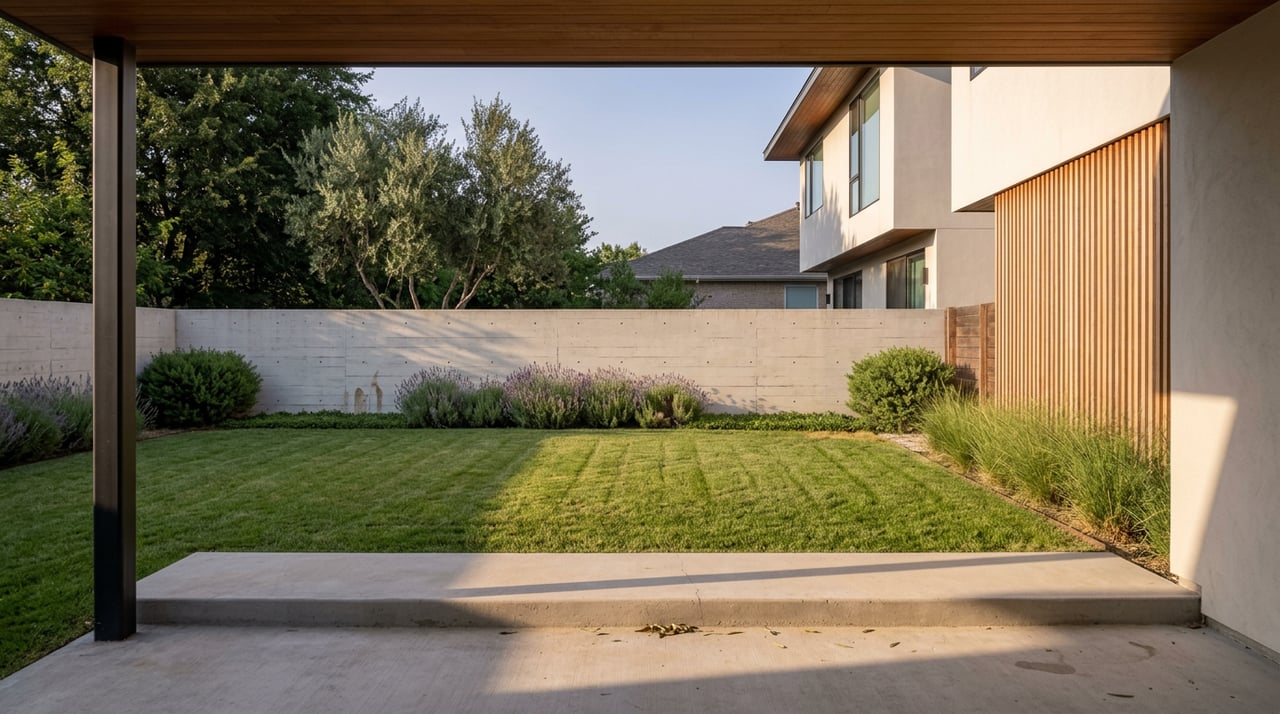
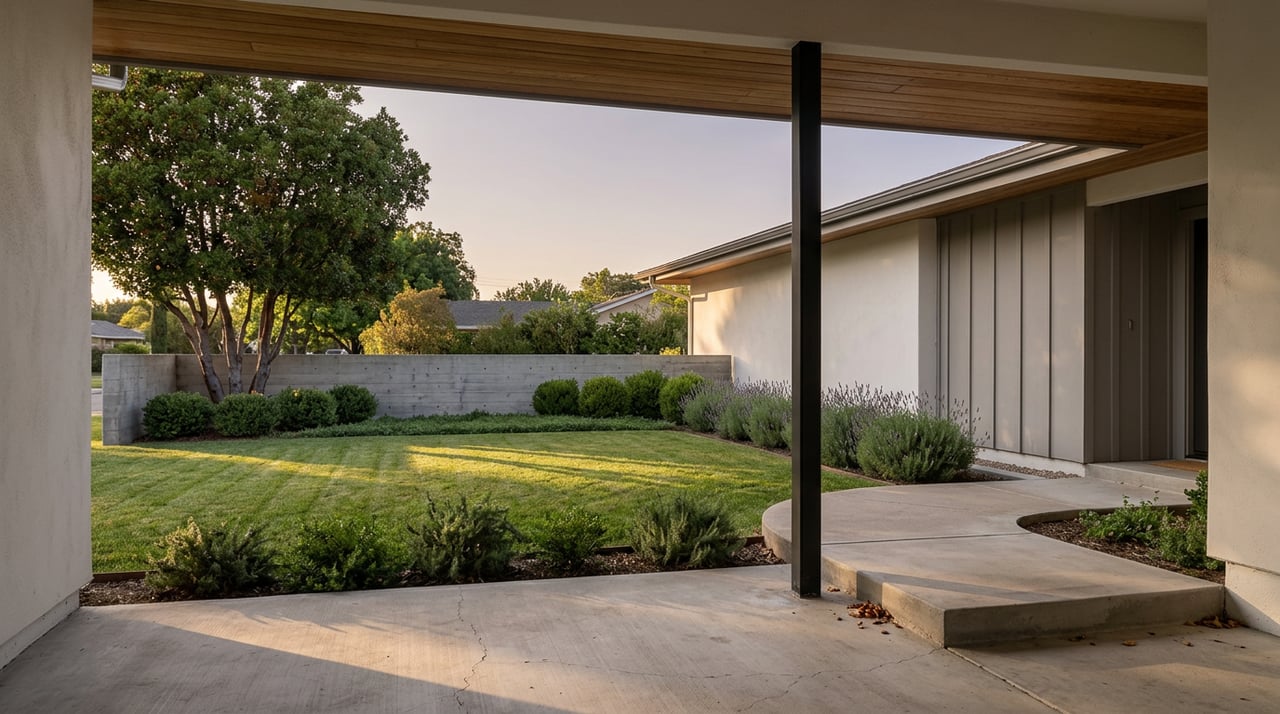
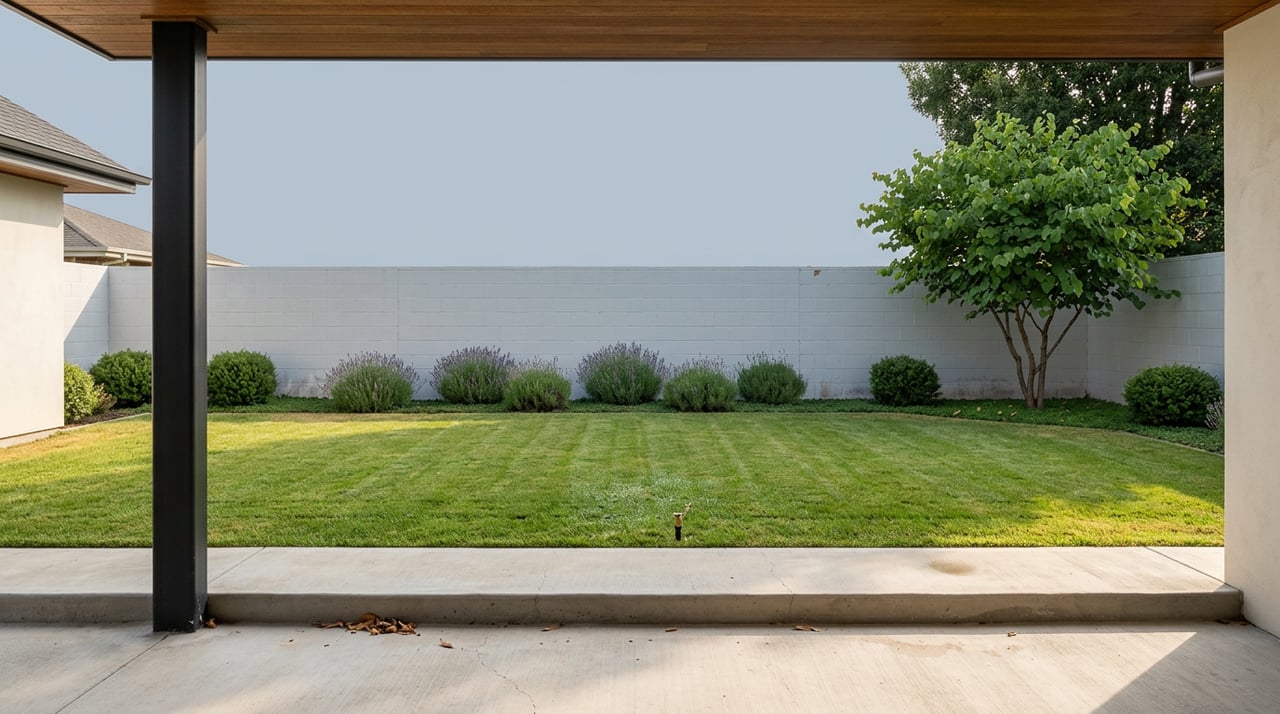
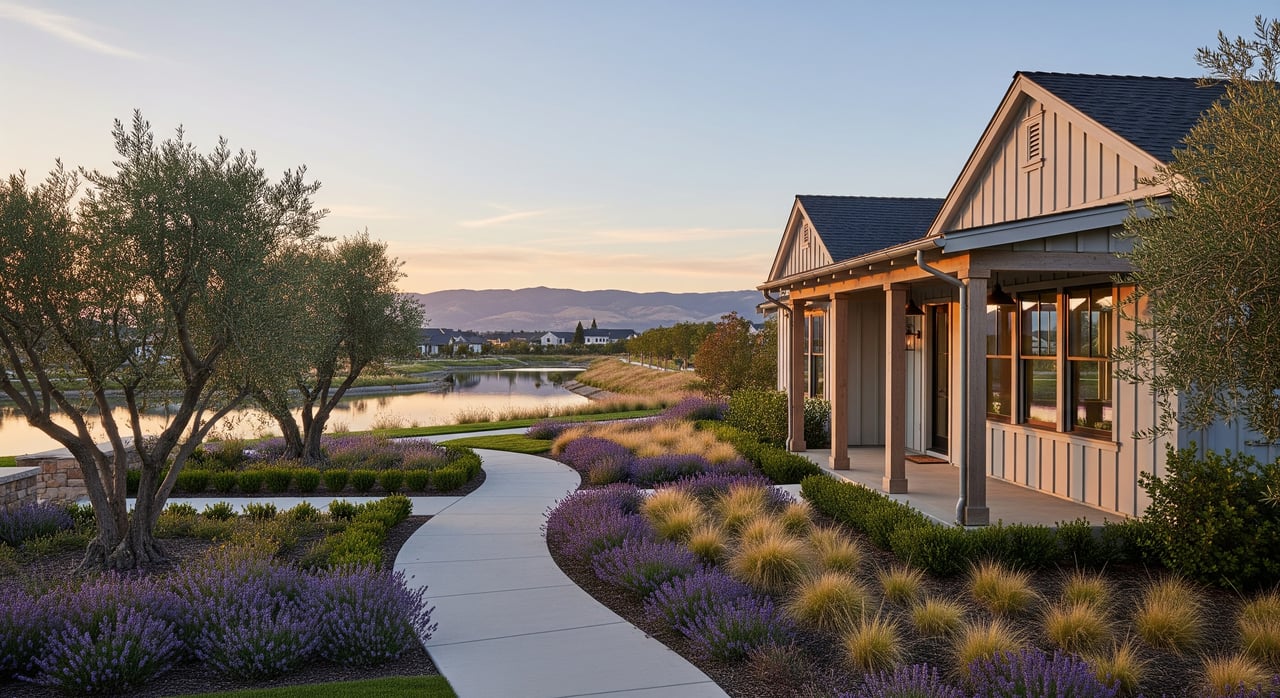
Mountain House was planned around “villages” that center on a green or park, often paired with an elementary school. Short local streets and paths make it easy to walk or bike to the park, playgrounds and nearby school. You’ll see a mix of single‑family homes and some attached townhomes, with neighborhood parks placed within a short stroll of many front doors.
Parks, trails and recreation
You’ll find playgrounds, sports fields, dog parks and multi‑use paths woven throughout the community. The CSD runs seasonal recreation programming like swim lessons and youth sports. The setting is suburban, but weekend hikes in the Diablo Range are a close drive away. For specifics on current programs, check the CSD’s latest recreation guide.
Town center conveniences
Daily errands usually happen at the local town center where you can grab groceries, coffee, casual dining and basic services. For bigger shopping or specialty stores, you’ll likely head to Tracy, Livermore or regional malls. Healthcare is available through local clinics and urgent care, while full hospitals are in nearby cities such as Tracy, Livermore and Stockton.
Daily rhythm you can expect
- Mornings often start with school drop‑off, then a quick park stop for younger kids or a jog on a path.
- Afternoons fill with after‑school sports, music lessons or a pool session when in season.
- Evenings are quieter, with casual dining nearby or a short drive for broader options.
Schools and learning
Schools are central to the village layout. Most elementary schools are near homes by design, and middle or high schools are typically a short drive or bus ride. Families often appreciate the walkability for younger students and the predictable routine it creates.
If you want to explore accountability data or compare performance, review the California Department of Education’s state school accountability data. For local boundaries and school names, check the area’s district resources, commonly associated with Lammersville Unified School District. Enrollment trends can shift as new neighborhoods open, so confirm the latest boundaries before you buy.
You’ll also find preschools, daycare and after‑school enrichment options in or near the town center and parks. Availability and programs change throughout the year, so verify hours and waitlists directly with providers.
Commute and transportation
Driving corridors
Most westbound commuters use I‑205 to I‑580 toward the Tri‑Valley and the East Bay. Local commutes into Tracy and other San Joaquin County hubs follow arterial roads. Drive times vary widely by destination and time of day, so build your routine around peak windows and check live maps during your trial runs.
ACE and BART options
Many residents use the Altamont Corridor Express for a more predictable trip to job centers in the Tri‑Valley and Bay Area. Stations in nearby cities are reachable by car and park‑and‑ride options. Review schedules on the Altamont Corridor Express site. For Bay Area destinations beyond ACE, some commuters drive to Tri‑Valley BART stations; plan routes and parking using the BART system.
Walking and biking inside the villages
Inside Mountain House, sidewalks, bike lanes and multi‑use paths make short trips to schools, parks and nearby shops practical on foot or bike. Many families choose homes based on proximity to their daily routes.
Homes, HOAs and what to budget
What you’ll find in housing
Expect newer construction built mainly in the 2000s and 2010s, with ongoing phases in certain areas. Floor plans often include three to four bedrooms, open living spaces and 2 to 3‑car garages. You’ll see a range of lot sizes by village, plus townhomes and attached options in select locations.
Fees beyond the mortgage
- HOAs: Some neighborhoods have HOA dues that can cover landscaping, shared spaces or exterior maintenance for attached homes. Always review the CC&Rs and budget.
- CSD fees: The Community Services District manages water, sewer and parks. Your utility bills and any special assessments will reflect those services through San Joaquin County and the CSD.
- Property taxes: San Joaquin County’s tax rate, plus any local assessments, will apply. You can verify parcel details with the San Joaquin County assessor.
Market dynamics to watch
Housing demand in Mountain House often tracks Bay Area job trends, interest rates and the appeal of newer homes with more space. Inventory can tighten quickly, especially for homes close to parks and schools. If you are timing a purchase or sale, pay attention to days on market and seasonal shifts, and compare nearby Central Valley options to keep leverage.
Community life and events
Community programming is a big part of Mountain House’s social life. You’ll see a seasonal mix of farmers markets, summer concerts, holiday parades or tree lightings, and youth sports tournaments. Volunteer groups, PTAs and neighborhood organizations give you quick ways to plug in and meet neighbors.
Dining and nightlife are more limited than larger cities. Most evenings center on family‑friendly dining, parks and at‑home gatherings. For broader restaurant scenes and entertainment, Tracy and the Tri‑Valley are common go‑tos.
Practical checks before you buy
Natural hazards and preparedness
As with much of California, you should understand local flood and seismic considerations. Review your specific address on the FEMA Flood Map Service Center, and discuss earthquake risk and building codes with your inspector. Wildfire risk is generally higher at the wildland interface, so confirm defensible space rules if your home backs to open space.
Utilities and connectivity
Water, sewer and storm services are typically managed by the CSD, and garbage service is provided through County or contracted vendors. Internet availability can vary by provider and street, from fiber to cable. Check availability and speeds by exact address before finalizing your offer.
Public safety and local governance
Law enforcement services are coordinated through San Joaquin County, with fire protection provided by regional fire agencies or districts. For County services and contacts, start with the San Joaquin County site.
Is Mountain House a fit for you?
You might love Mountain House if you want newer homes, walkable parks and elementary schools, and a village layout that simplifies daily routines. You should be comfortable with a commuter lifestyle shaped by I‑205 and I‑580 or a rail‑to‑BART approach, and with driving to nearby cities for larger shopping or entertainment. If that trade‑off makes sense for your family or work rhythm, the villages can offer a balanced blend of space, community and convenience.
If you want a tailored plan for neighborhoods, school paths, commute tests and budgets with HOA and CSD fees, we’re here to help. Reach out to Just 1 Real Estate to schedule a free consultation and map your next steps with local guidance.
FAQs
What is Mountain House’s government structure?
- Mountain House is a census‑designated place with services delivered through San Joaquin County and a Community Services District that manages parks, utilities and recreation.
How do commutes from Mountain House usually work?
- Most residents drive I‑205 to I‑580 toward the Tri‑Valley or use the Altamont Corridor Express and connect with the BART system; travel times vary widely by destination and rush hour.
Are schools walkable from most homes in the villages?
- Villages are designed with elementary schools near homes, while middle and high schools are typically a short drive or bus ride; verify boundaries with district resources and the California Department of Education.
What extra housing costs should I plan for beyond mortgage?
- Budget for possible HOA dues, CSD‑related utilities and assessments, and San Joaquin County property taxes; confirm parcel details with the San Joaquin County assessor.
Where can I check flood risk for a specific address?
- Use the FEMA Flood Map Service Center to see official flood zone information and discuss coverage with your insurance provider.