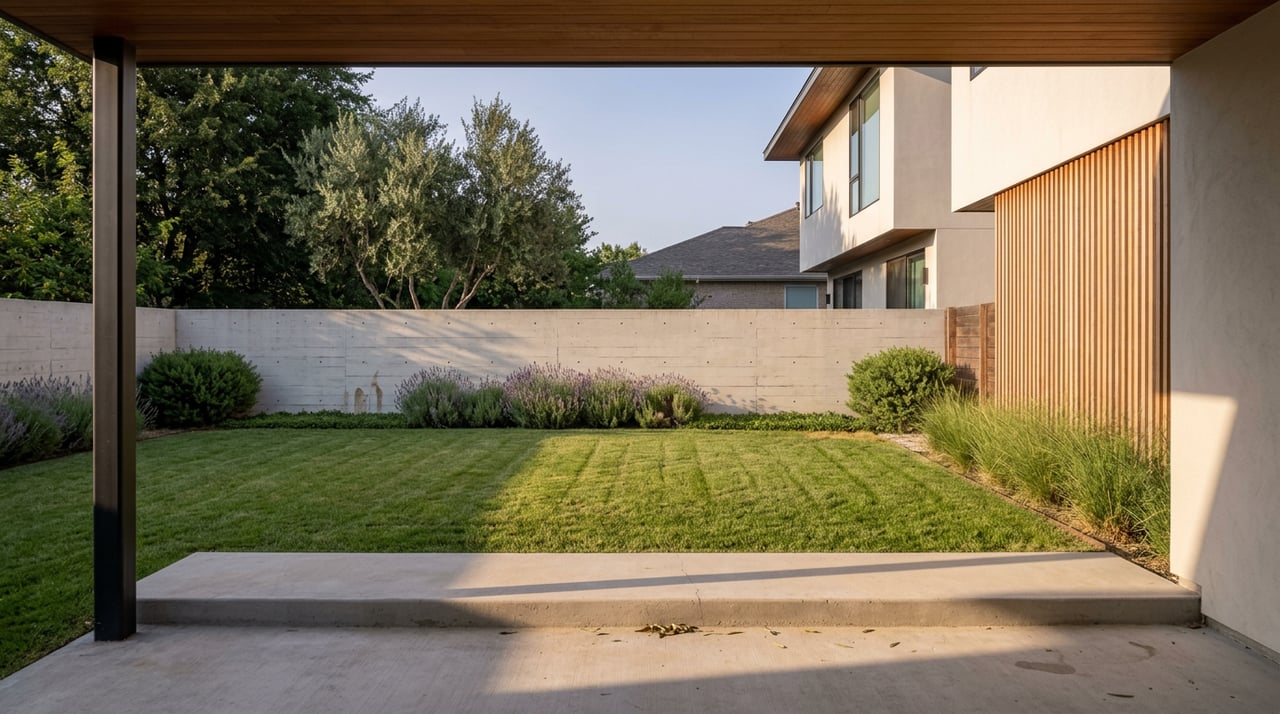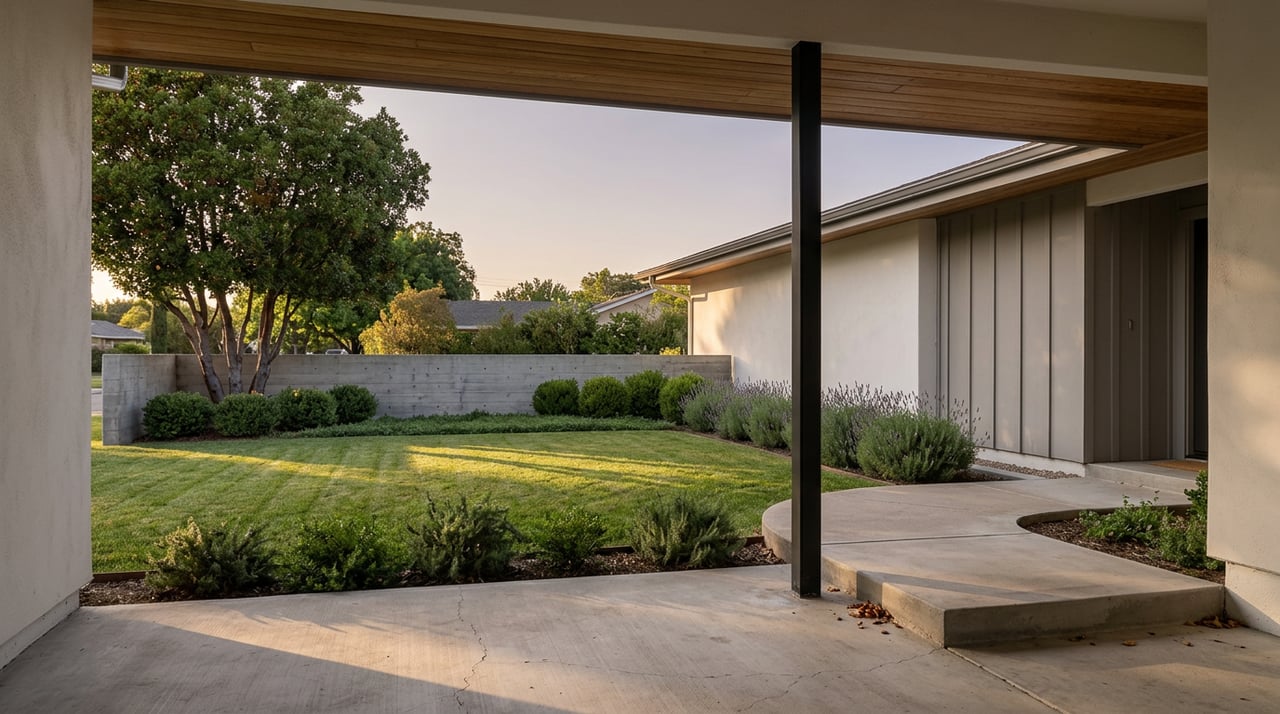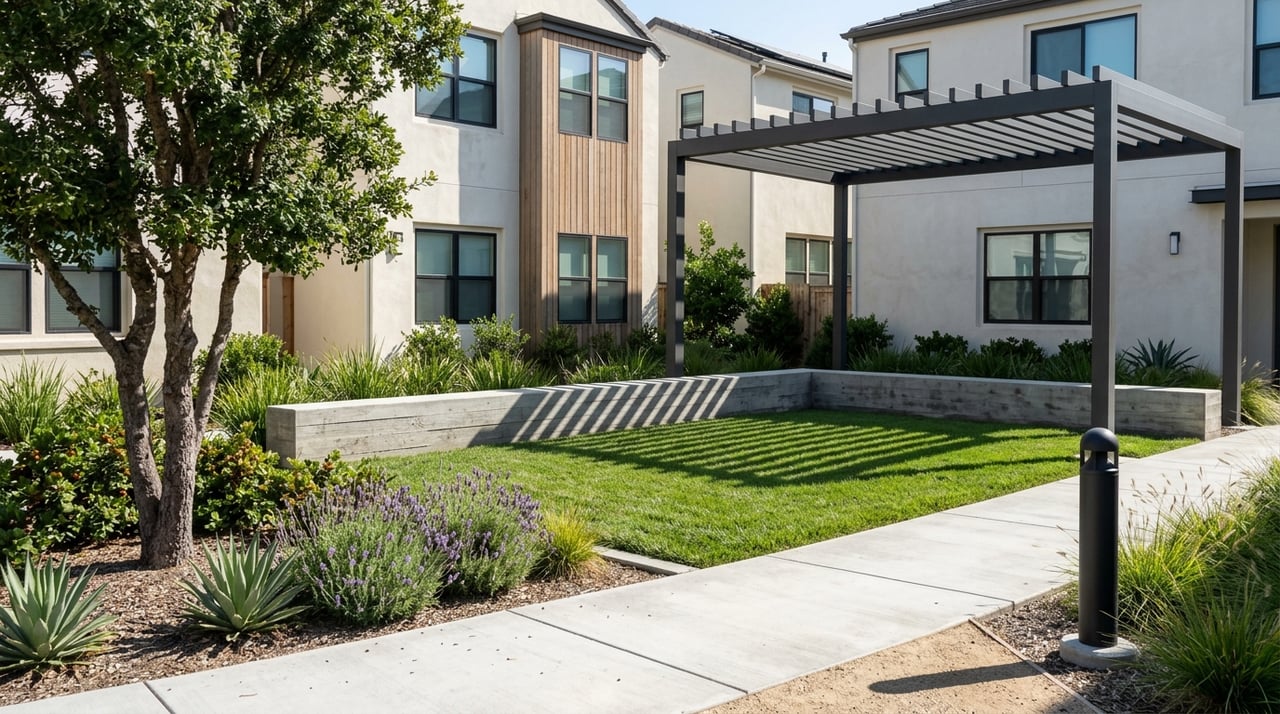
Thinking about buying in Mountain House because of the parks, trails, and planned-community feel? You are not alone, but one of the biggest points of confusion for buyers is figuring out what is actually covered by an HOA, what is managed by the city, and what rules come with the home you choose. If you want to buy with fewer surprises, it helps to understand how Mountain House amenities, dues, and restrictions really work before you write an offer. Let’s dive in.
How Mountain House Governance Works
Mountain House is a master-planned community made up of 12 neighborhoods organized around parks, schools, and small commercial areas. The city says it officially became California’s 483rd incorporated city on July 1, 2024, which matters because Mountain House is not simply a patchwork of private subdivisions with private amenities.
In Mountain House, some of the features buyers associate with an HOA lifestyle are actually part of city-run public services. The city oversees water, sewer, garbage, street lighting, road maintenance, police and fire protection, CC&R enforcement, library services, recreation, animal control, planning, and more.
That means you should not assume every park, open space, or community feature belongs to a private homeowners association. In many cases, the city manages those amenities, while separate Master Restrictions, CC&Rs, and in some cases property-specific HOA rules still shape what you can do with your home.
What Rules Apply to Your Home
Mountain House says every home purchaser receives the Master Restrictions, and those rules govern how homes and properties are maintained, improved, and used. They also cover architectural controls and approval steps for certain changes.
This is especially important if you already know you may want to update landscaping, change the exterior, or add improvements after closing. The Community Development Department enforces CC&Rs and Master Restrictions, and it also issues permits for landscaping changes and home improvements.
In practical terms, that means you should review two layers of documents when they apply:
- Mountain House Master Restrictions and CC&Rs
- Any separate HOA governing documents for the specific property
- Architectural or improvement approval requirements
- Maintenance and land use standards
- Rental or leasing restrictions, if any
For many buyers, this is where a careful review can save time, money, and frustration later.
Are Mountain House Parks Private or Public?
This is one of the most common questions buyers ask. In Mountain House, many of the community’s best-known parks and recreation spaces are city-run public amenities, not private HOA-only facilities.
The city says each neighborhood features its own five-acre Village Park, and some villages also include smaller neighborhood parks. These village parks typically include a field, picnic areas, and a place for children to play.
Mountain House also offers larger community amenities. Creek Park includes hiking trails, and Central Park features a ball field, basketball court, bocce courts, tennis courts, a play fountain, and larger play areas.
Creek Park also has bathrooms, picnic tables, and wide paths that work well for running, biking, or strolling. The city describes it as both a recreational asset and a habitat area with native flora and fauna, so part of its appeal is open space as well as active use.
The public may use parks during posted hours. Organized play and special events require reservations, and rentals require insurance.
What Amenities Buyers Commonly Enjoy
If you are drawn to Mountain House for its planned layout and everyday convenience, the amenity package is a big part of the appeal. Instead of relying only on private HOA facilities, many homeowners benefit from a broader network of city-accessible parks and recreation spaces.
Common amenities and features buyers often value include:
- Village parks in each neighborhood
- Smaller neighborhood parks in some areas
- Picnic areas
- Open play areas
- Sports fields and courts
- Hiking and walking trails
- Wide paths for biking and running
- Public recreation spaces for gatherings and activities
This setup can be a meaningful advantage if you want access to outdoor amenities without assuming they are all tied to one uniform HOA structure. It also means the details can vary depending on the home, the neighborhood, and whether a separate association is involved.
How Much Are HOA Dues in Mountain House?
There is no single HOA fee for all Mountain House homes. Recent public listing examples show monthly dues at $125, $175, $400, $569, and $605, which is a wide spread.
The takeaway is simple: verify the dues for the exact property you are considering. You should also confirm what the fee covers, whether any fee changes have already been approved, and whether there are separate costs beyond HOA dues.
One added cost buyers may see in Mountain House is special taxes on the property tax bill. The city tells owners to use the APN on the tax bill to look up special tax information related to roads, public safety, parks, and public works.
The Biggest Financial Risk to Watch
The most important long-term HOA issue is not always the monthly dues. Often, the bigger concern is whether the association has enough reserve funding to handle future repairs and replacement costs.
The California Department of Real Estate warns that underfunded HOAs can lead to deferred maintenance, unexpected expenses, and special assessments. In some cases, those special assessments can reach tens of thousands of dollars.
That is why reserve disclosures matter so much during escrow. California reserve rules require a visual reserve study at least every three years for qualifying associations, annual review, and annual reserve disclosure.
The reserve summary must show key financial details, including:
- Current replacement cost
- Remaining useful life of major components
- Current cash reserves
- Reserve deficiency per unit
- Future funding needs
For a buyer, these documents can reveal whether a low monthly HOA fee is actually a bargain or a warning sign.
What to Review Before Making an Offer
Before you remove contingencies, take time to review the association and community documents carefully. California Civil Code 4525 requires sellers to provide a core package of HOA-related documents, and these are some of the most valuable items in your decision-making process.
You should pay close attention to:
- Governing documents
- Current assessment statement
- Unpaid assessments, fines, or late charges
- Approved but not-yet-due assessment changes
- Unresolved violation notices
- Board minutes from the previous 12 months, if requested
- The most recent inspection report
These records can help you spot issues that are easy to miss during a showing, such as pending rule disputes, fee increases, or property-specific compliance concerns.
Why Reserve and Budget Documents Matter
Among all the disclosure paperwork, the reserve summary and annual budget report deserve extra attention. These documents help you understand the financial condition of the association beyond the monthly payment amount.
California Civil Code 5565 says the reserve disclosure must state the estimated replacement cost, remaining useful life, current reserve balance, funded percentage, and deficiency per unit. The annual budget report also includes reserve and insurance disclosures and certain loan information.
If you are comparing two homes with different HOA fees, these documents can give you better context. A higher monthly fee may reflect stronger reserve planning, while a lower fee could come with more future risk.
New Construction Buyers Have Extra Homework
Mountain House continues to attract buyers interested in newer homes and planned-community living. If you are considering new construction or a newly offered subdivision, you have another key document to review.
The California Department of Real Estate says the public report should disclose the HOA, assessments, budget, estimated reserves, and governing documents. It must be available before you sign a purchase contract.
This matters because new-construction buyers sometimes focus heavily on floorplans, finishes, and builder upgrades. Those details matter, but the community rules and financial setup deserve the same level of attention.
Can You Rent the Home Later?
If you think you may want to keep the home as a future rental, do not wait until after closing to ask about leasing rules. Rental restrictions can affect your flexibility later, even if you plan to occupy the home now.
Civil Code 4525 requires a statement if the governing documents prohibit renting or leasing. That makes this a key item for move-up buyers, long-term planners, and small investors.
Even if renting is allowed, you still want to understand any related limits or procedures in the governing documents. Clear answers now can help you avoid costly surprises down the road.
What About Exterior Changes?
Exterior changes are another area where buyers should be proactive. Mountain House’s Master Restrictions cover maintenance responsibilities, land use standards, and architectural controls, so you should confirm what is allowed before you close.
If you are thinking about changing landscaping, painting, adding hardscape, or making other visible improvements, review the approval process early. Since the Community Development Department also issues permits for landscaping changes and home improvements, it is smart to understand both community rules and permit requirements.
This is especially important in master-planned communities, where the appearance and upkeep of homes often follow a shared standard. Knowing the process upfront can help you plan improvements with confidence.
How to Buy Smarter in Mountain House
The best approach is to treat HOA and amenity review as part of your core due diligence, not an afterthought. In Mountain House, the mix of city-run amenities, Master Restrictions, possible property-specific HOAs, and special tax obligations means every home deserves its own review.
A smart buying strategy includes three simple steps:
- Confirm whether the property has its own HOA and what the monthly dues are.
- Review the Master Restrictions, CC&Rs, reserve summary, budget, and any violation or assessment history.
- Verify how your future plans fit the rules, especially if you may rent the home or make exterior changes.
When you understand those pieces early, you can compare homes more accurately and make a more confident decision.
If you are exploring Mountain House, having a local guide can make the paperwork and neighborhood differences much easier to sort through. The team at Just 1 Real Estate can help you evaluate dues, disclosures, amenities, and long-term fit so you can move forward with clarity.
FAQs
Are Mountain House parks part of a private HOA?
- Many Mountain House parks are city-run public amenities that are open during posted hours, rather than private HOA-only amenities.
Do all Mountain House homes have the same HOA dues?
- No. Recent public listing examples show a wide range of monthly HOA dues, so you should verify the amount for each individual property.
What HOA documents should Mountain House buyers review before closing?
- Buyers should review governing documents, assessment information, unpaid charges, approved assessment changes, violation notices, reserve and budget disclosures, and other required seller-provided HOA documents before removing contingencies.
Can you rent out a Mountain House home later?
- Possibly, but you need to review the governing documents because California disclosure rules require sellers to state whether renting or leasing is prohibited.
Can you make landscaping or exterior changes to a Mountain House home?
- Maybe, but Mountain House Master Restrictions and local permit requirements may apply, so you should confirm architectural-control rules and approval steps before closing.
What is the biggest HOA financial risk in Mountain House homes?
- A major risk is underfunded reserves, which can lead to deferred maintenance and special assessments.