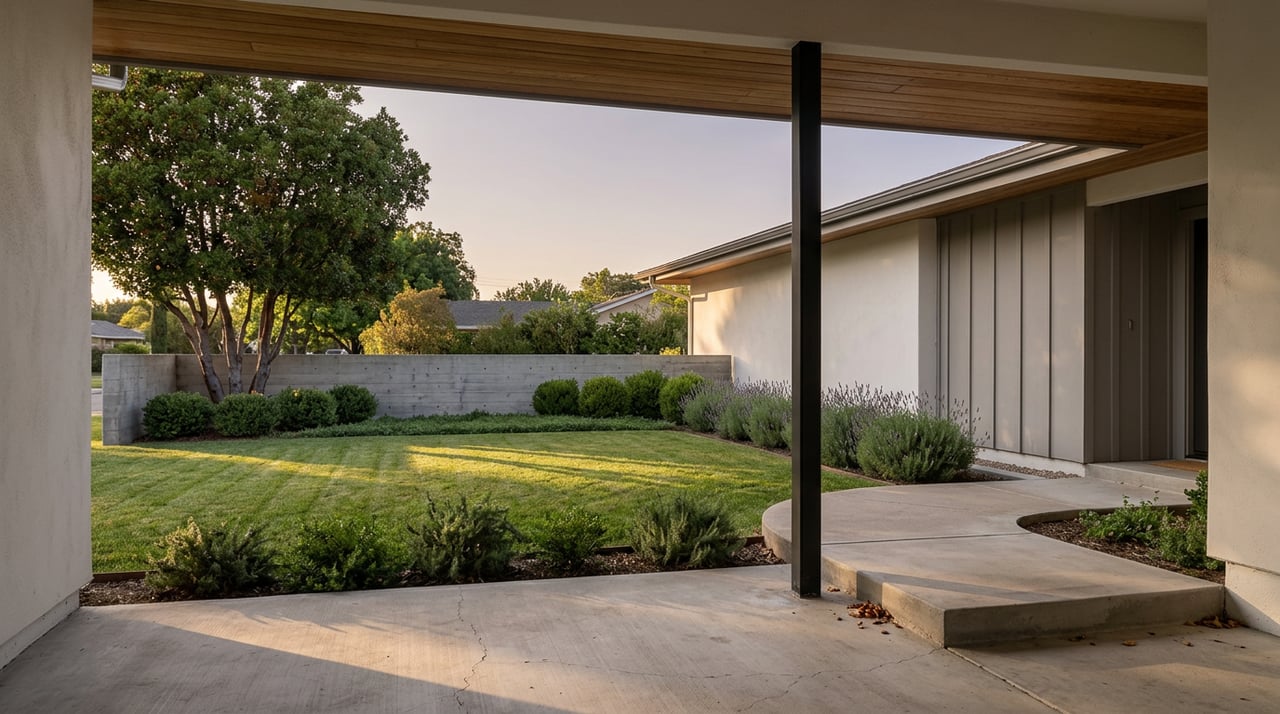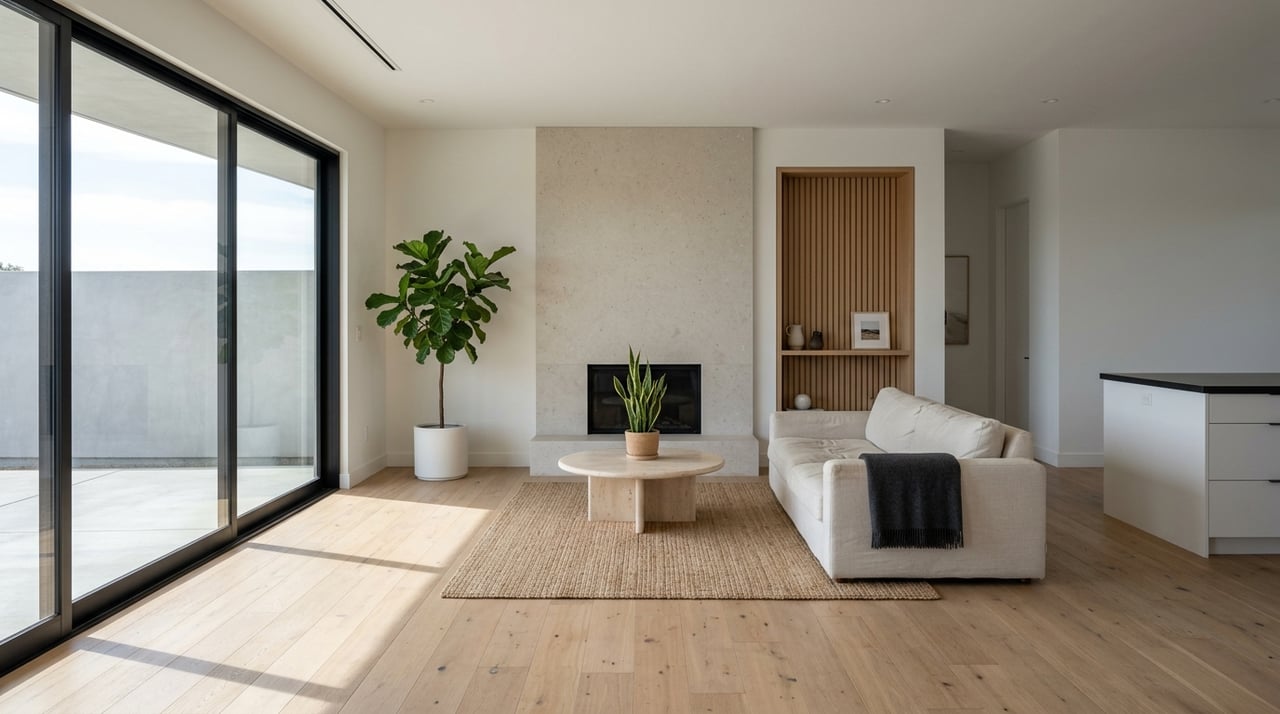
Selling your home in Mountain House takes more than putting a sign in the yard and hoping the right buyer shows up. In a market where the median sale price was $735,000 in March 2026 and homes sold in about 49 days on average, strong results usually come from a thoughtful launch, clear pricing, and polished presentation, not guesswork. If you want to understand how a modern seller marketing plan works and what should happen before, during, and after your home hits the market, this guide will walk you through it step by step. Let’s dive in.
Why Marketing Matters in Mountain House
Mountain House is a fast-growing community with a high owner-occupied housing rate and strong digital connectivity. According to the U.S. Census QuickFacts for Mountain House, 93.6% of households have broadband access, and 56.0% of residents speak a language other than English at home. That means your listing needs to look great online, load well on mobile devices, and communicate clearly to a broad audience.
The local market also rewards preparation. Redfin’s Mountain House market snapshot describes the market as somewhat competitive, with a 96.1% sale-to-list ratio and 30% of homes selling above list price. Buyers are active, but that does not mean every home sells the same way. Your marketing plan still needs to create attention, support your price, and help buyers picture themselves in the space.
Step 1: Start With a Seller Consultation
Every strong sale starts with a strategy session. This is where you look at your home’s condition, timing, goals, and likely buyer pool so the marketing plan matches your situation instead of using a one-size-fits-all formula.
At Just 1 Real Estate, the seller process begins with preparation and positioning. That consultation can include a property evaluation, preparation planning, pricing strategy, showing coordination, offer strategy, escrow management, and closing logistics. In other words, the marketing starts well before the listing goes live.
Step 2: Build the Right Prep Plan
Before your home is marketed, it needs to be ready for close-up photos, in-person tours, and buyer questions. That may include cleaning, minor repairs, touch-ups, landscaping refreshes, and decluttering to make the home feel more open and easier to navigate.
This step is also about reducing surprises. The California Department of Real Estate explains in the Transfer Disclosure Statement that sellers must describe the property’s condition, and disclosures should be delivered as soon as practicable before transfer of title. A thoughtful prep phase helps you organize repairs, inspections, and disclosures in a more orderly way.
Step 3: Handle Disclosures Carefully
Good marketing should never overpromise. The California DRE advises agents to verify facts and disclose material issues rather than overstating a property’s condition in advertising, as noted in its advisory on common enforcement violations.
For you as a seller, that means the best marketing plan is honest and well-documented. When disclosures are handled early and accurately, buyers can move forward with more confidence, and your transaction is less likely to get sidetracked later.
Step 4: Stage for the Way Buyers Shop
Staging is not about making your home look artificial. It is about helping buyers understand the layout, scale, and everyday function of the space. In Mountain House, where many buyers may be comparing homes based on flexible living areas, kitchen flow, and overall usability, clear presentation matters.
The 2025 NAR Profile of Home Staging found that 83% of buyers’ agents said staging made it easier for buyers to visualize a home as a future home. The most important rooms to stage were the living room, primary bedroom, and kitchen. That is why these areas usually deserve the most attention in your launch plan.
Step 5: Create Strong Visuals
Once the home is ready, the next step is professional presentation. High-quality photography is one of the most important pieces of listing marketing because it shapes the buyer’s first impression long before they book a showing.
According to NAR’s article on maximizing online visibility for every listing, 52% of buyers found the home they purchased online, and 81% rated listing photos as the most useful online feature. That is a clear reason to invest in sharp, well-lit, thoughtfully composed images. At Just 1 Real Estate, marketing may include high-quality photography, lifestyle visuals, and curated descriptions designed to help your home stand out.
Step 6: Write a Listing That Connects
Photos get attention, but the listing description helps buyers understand why your home fits their needs. The best descriptions do not rely on hype. They focus on layout, upgrades, condition, and useful features in a way that feels polished and credible.
In a place like Mountain House, a strong listing may highlight things like open-concept living, work-from-home flexibility, storage, outdoor living areas, and access to local amenities. If your likely buyers are searching on their phones, the wording also needs to be easy to scan quickly.
Step 7: Launch With Digital-First Promotion
Your home should be promoted where buyers are already looking. Since most buyers begin online and many use mobile or tablet devices during the process, your listing launch should be designed for digital visibility first.
NAR reports that 69% of buyers used mobile or tablet devices during their search, which supports a mobile-friendly rollout. Mountain House also has very high broadband adoption, based on Census data, so digital marketing is especially relevant locally. Just 1 Real Estate’s seller marketing plan can include targeted digital advertising, social media amplification, and broader visibility through its network and relocation exposure.
Step 8: Expand Reach With Smart Targeting
A strong marketing plan does more than post a listing and wait. It actively works to put your home in front of the right audiences, including local move-up buyers, relocating households, and buyers already tracking inventory in the Central Valley and nearby Bay Area corridors.
Because Mountain House is a connected and diverse community, multilingual or bilingual marketing support may help broaden reach when appropriate. This aligns with local Census patterns showing a large share of households speak a language other than English at home. The goal is simple: remove friction and make it easier for more qualified buyers to engage with your listing.
Step 9: Use Open Houses Strategically
Open houses can still play a valuable role, but they should support your larger campaign, not replace it. They work best when your online launch, photos, pricing, and showing schedule are already doing the heavy lifting.
NAR’s online visibility guidance notes that open houses were considered very useful by 23% of buyers. That matters, but it also shows they are just one tool in a broader marketing mix. At Just 1 Real Estate, open-house planning is presented as part of a wider strategy that includes digital promotion, visuals, and networking.
Step 10: Manage Showings and Feedback
Once your home is live, the marketing plan shifts from launch to response. This stage includes coordinating showings, tracking buyer interest, reviewing feedback, and watching how the market reacts during the first days and weeks.
This is where experience matters. If buyers love the photos but do not schedule tours, the issue may be price, timing, or a key detail in the presentation. If showings are active but offers are slow, feedback can help guide the next move.
Step 11: Negotiate From a Position of Strength
Marketing and negotiation are closely connected. The better your home is prepared and presented, the stronger your position can be when offers come in.
A polished launch can help support your asking price, improve buyer confidence, and create better terms to review. Just 1 Real Estate includes offer strategy and negotiation as part of its seller framework, which matters because the goal is not only to attract offers, but to evaluate price, contingencies, timing, and overall reliability.
Step 12: Support the Sale Through Closing
A good marketing plan does not stop when you accept an offer. The final phase includes managing escrow, coordinating deadlines, keeping communication clear, and helping the transaction stay on track all the way to closing day.
That full-service approach is especially helpful when you are balancing a move, a purchase, work schedules, or household logistics at the same time. Just 1 Real Estate describes this as a human-led, concierge-style process supported by modern tools, trusted vendors, and brokerage-level systems. If you are preparing to sell in Mountain House and want a tailored launch strategy, Just 1 Real Estate can help you build a plan that fits your home, your timeline, and your goals.
FAQs
What does a seller marketing plan in Mountain House usually include?
- A seller marketing plan in Mountain House often includes a consultation, pricing strategy, home preparation, staging, professional photography, listing copy, digital promotion, showings, feedback review, negotiation, and closing support.
Why is digital marketing important for Mountain House home sellers?
- Digital marketing matters because many buyers start their home search online, most rely heavily on listing photos, and Mountain House households have high broadband access, which makes online visibility especially important.
How important is staging when selling a home in Mountain House?
- Staging can be very helpful because it makes it easier for buyers to picture how the home lives, especially in the living room, primary bedroom, and kitchen, which NAR identified as key rooms.
Do Mountain House sellers still need open houses?
- Open houses can help, but they usually work best as one part of a broader launch strategy that also includes strong pricing, digital exposure, and professional presentation.
What disclosures should Mountain House home sellers know about?
- California sellers should be prepared to complete required disclosures, including the Transfer Disclosure Statement, and should work with their real estate professional to disclose material facts accurately and in a timely way.