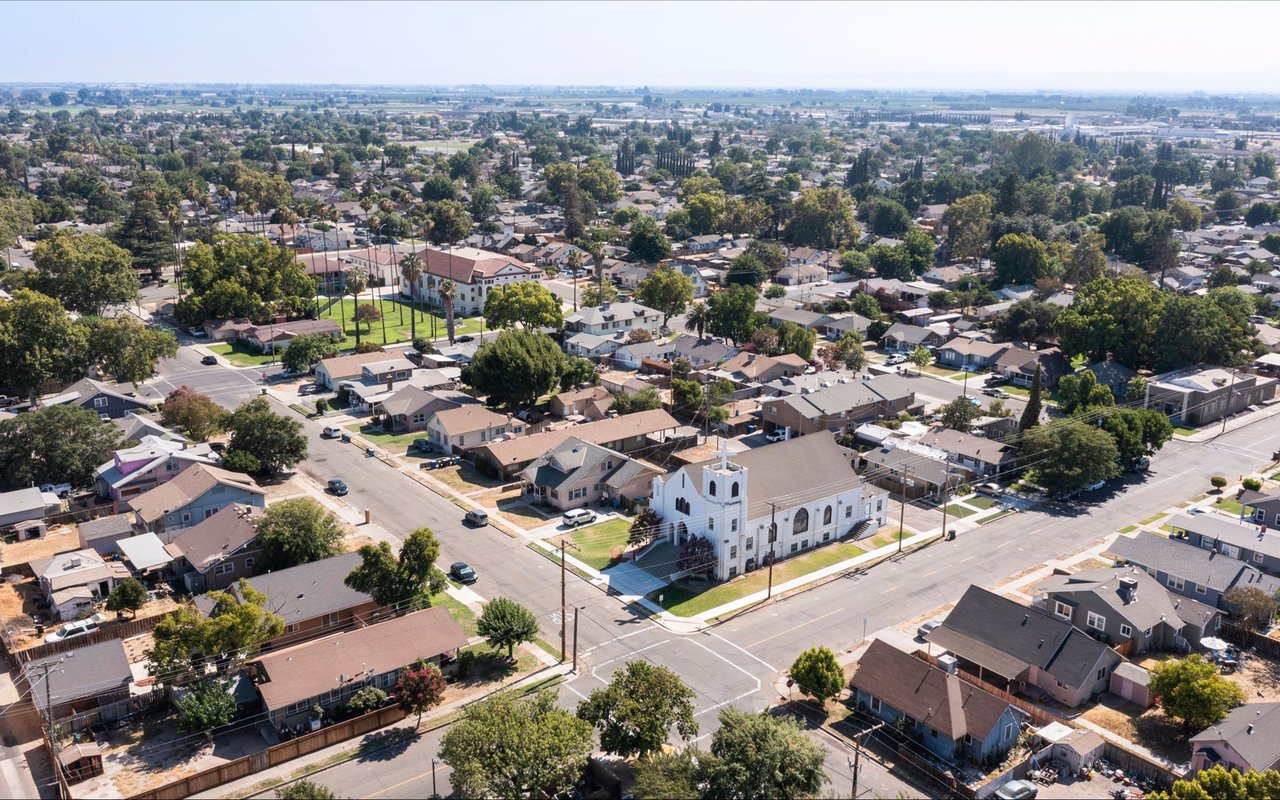
Are you torn between a brand-new home and a classic, tree-lined street in Manteca? You are not alone. Each option offers real benefits, from modern layouts and parks to larger yards and central convenience. In this guide, you will learn the key trade-offs so you can match your priorities, budget, and timeline with the right neighborhood fit. Let’s dive in.
New vs established snapshot
What “established” means in Manteca
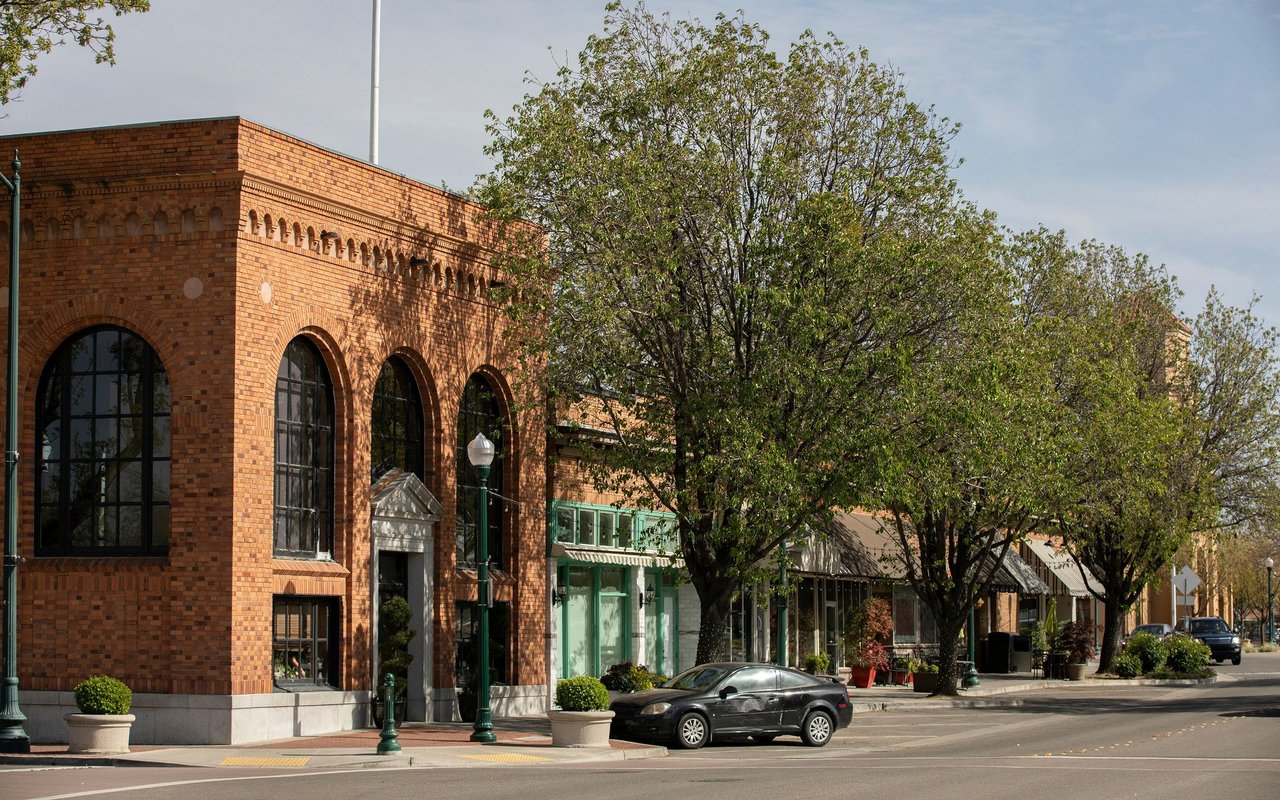
In Manteca, established areas typically include central and downtown neighborhoods with homes built decades ago, mature trees, and irregular lot patterns. Many of these areas are closer to existing shops and services. Local reporting also notes that central sections continue to see infill activity, not just status quo redevelopment, as the city encourages new housing in already urbanized areas. You can see that trend in the city’s infill incentives and coverage of central growth in the Manteca Bulletin’s piece on established areas seeing more new housing built. Read the local overview of established and infill areas.
What “newer” neighborhoods include
Newer Manteca neighborhoods are largely master-planned or infill subdivisions built since around 2000, with activity ramping up again in recent years. Many cluster along key growth corridors such as Woodward Avenue and Union Road and on the city’s expanding edges. Recent reporting also highlighted an average of about 3,123 square feet for new single-family homes started in a recent Jan–Feb period, reflecting the trend toward larger new builds. See the development patterns and size trend.
Home styles and sizes
Established homes
In older neighborhoods, you often find single-story ranches and mid-century homes mixed with later infill. Expect architectural variety, mature landscaping, and a more eclectic feel from street to street. Lots may be irregular and sometimes larger, with room to customize. Central infill can also mean opportunities for accessory units on some parcels. Learn how established areas continue to add housing.
Newer subdivisions
Production homes in newer communities commonly feature open-concept living, flexible lofts, and optional multi-gen suites. Floor plans in active communities often range from roughly 2,000 to 3,200 square feet, with many examples in the mid-2,000s. For instance, Century Communities’ Villa Bellissima includes plans around 2,360 square feet among multiple offerings. Preview a representative plan at Villa Bellissima. New builds are also constructed to current seismic and energy codes, and many include builder warranties.
Lots and layout differences
- Established areas: You may find larger backyards, mature shade trees, and unique parcel shapes. Streets and utilities are already in place, and you might see more variation in setbacks and home-to-home spacing. See context on mature lots and infill.
- Newer subdivisions: Lots tend to follow standardized footprints, with consistent setbacks and modern underground utility runs. Many communities are engineered with on-site parks and drainage basins. When comparing similar floor plans in different tracts, pay attention to lot orientation for sun exposure in your backyard.
Amenities and infrastructure
Parks and open space
New master-planned areas often include parks, walking paths, and play fields as part of the project. For example, Oleander Estates was reported to include a six-acre park integrated into the neighborhood plan. See the city update that mentions Oleander’s park. Established areas rely more on city parks and downtown amenities, with infill bringing new homes closer to existing services. Get a look at central infill and incentives.
Streets and utilities
- New subdivisions: Expect newly installed sewer and storm mains, updated street sections, and modern underground utilities that meet current city standards and subdivision approvals. Local coverage highlights these infrastructure upgrades.
- Older neighborhoods: Infrastructure is already in place, which can mean lower impact fees for some infill projects, though older pipes and sidewalks may be closer to typical service lifespans. The city has promoted central infill to encourage reinvestment. Explore the city’s infill focus.
Costs, taxes, and HOAs
Newer subdivisions sometimes carry special taxes or assessments that fund infrastructure and services, commonly known as Community Facilities District (CFD) or Mello-Roos in California. You should review the property tax bill closely for any special assessments. Also request HOA documents and budgets when applicable to understand rules, maintenance obligations, and dues. The City of Manteca publishes fee schedules detailing development-related costs that shape new community approvals and financing. Review the city’s fee schedule resource.
Maintenance and inspections
Established homes: plan for lifecycle items
Older homes may require earlier attention to major systems. Typical component lifespans can vary, but asphalt composite roofs often need replacement around 15 to 30 years, and many HVAC systems have a service life in the 12 to 20 year range depending on maintenance. A thorough pre-offer plan often includes a general home inspection, roof inspection, pest and termite report, plumbing and electrical checks, and a sewer lateral scope if applicable. Reference typical system lifespans.
New construction: know your warranties
New homes usually have lower near-term maintenance and are built to modern codes. Ask for the builder’s written warranty coverage, what features are included, and whether solar is owned or leased. If there is an HOA, review CC&Rs and budgets to understand maintenance responsibilities and amenity operations. Also confirm any special taxes, and clarify which roads and parks are maintained by the HOA versus the city.
Risk checks: flood and seismic
- Flood: Parts of San Joaquin County include mapped floodplains and areas behind levees. Always check FEMA’s Flood Insurance Rate Maps and the county’s interactive map for any property you are considering. If a home is in or near a Special Flood Hazard Area, ask for an elevation certificate and obtain an insurance estimate before you write an offer. Start with San Joaquin County’s floodplain page and the FEMA Map Service Center.
- Seismic: Use the California Geological Survey’s EQ Zapp to see if a property falls within mapped liquefaction or fault-rupture hazard zones. For raw lots or older parcels, request any available geotechnical or seismic hazard reports and review state disclosures. Check CGS EQ Zapp by address.
How to choose what fits
Use your top priorities to guide the search:
- Space and layout: If you want larger, open-concept plans with flex spaces, newer builds may fit better. If single-story living or unique architecture matters, start with established areas.
- Yard size and privacy: For oversized or more irregular yards, look to older neighborhoods. For consistent new-lot layouts, consider master-planned tracts.
- Amenities: If you prefer on-site parks and trails, newer communities often include them. If you want to be nearer to shops and central services, established areas may be closer.
- Costs and taxes: Confirm CFDs or Mello-Roos in newer tracts and review HOA dues. In older areas, budget for upcoming system upgrades.
- Timeline and maintenance: New construction can reduce near-term maintenance, while established homes may need earlier system work but offer move-in timing without a build schedule.
Example areas to explore
- Established or central: Downtown and Main Street corridors, older single-family pockets near Sutter and Willow, and the city’s river and lake neighborhoods. These areas offer mature landscaping and varied lot patterns, with ongoing infill bringing new options. See how central Manteca is evolving.
- Newer or master-planned: Communities in the Woodward Avenue and Union Road corridors and on the city’s expanding edges. Examples referenced in local reporting and builder pages include Oleander Estates, Villa Ticino, Villa Bellissima, and Pillsbury Estates. Read a city update that references Oleander’s improvements and view a representative plan at Villa Bellissima.
Work with a local guide
Choosing between Manteca’s newer and established neighborhoods comes down to how you balance space, yard, amenities, long-term costs, and location. A local advisor can help you compare specific streets and communities, read builder disclosures, and line up the right inspections. Our team pairs neighborhood-level insight with a curated vendor network so you can make a confident decision, whether you want a central classic or a move-in-ready new build. When you are ready to tour options or review a shortlist, connect with Just 1 Real Estate to schedule a free consultation.
FAQs
What are the biggest differences between newer and established Manteca neighborhoods?
- Newer areas tend to offer larger modern floor plans, on-site parks, and new infrastructure, while established areas offer mature trees, irregular lots, proximity to central amenities, and greater architectural variety.
Where are most of Manteca’s newer subdivisions located?
- Many recent projects cluster around Woodward Avenue and Union Road and along the city’s growing edges, as noted in local development coverage.
How large are new single-family homes in Manteca on average?
- A recent city snapshot showed new starts averaging about 3,123 square feet in a Jan–Feb period, with many community floor plans in the roughly 2,000 to 3,200 square foot range.
Do new Manteca communities have Mello-Roos or CFD taxes?
- Some do, and you should verify by reviewing the property tax bill for special assessments and by requesting all HOA and builder disclosures and budgets before you commit.
How do I check flood risk for a Manteca property?
- Use San Joaquin County’s floodplain map and FEMA’s Map Service Center to see if the address lies in a Special Flood Hazard Area, then request an elevation certificate and a flood insurance estimate.
What inspections are recommended for older Manteca homes?
- A general home inspection plus roof, pest and termite, plumbing and electrical system checks, and a sewer lateral scope if applicable, along with permit records for major improvements.