Thinking about selling your Manteca home and unsure when to list? Timing your sale can influence your final price, days on market, and stress level. You want a plan that fits your goals and the rhythm of the local market. In this guide, you’ll learn the best months to sell in Manteca, how to read key market signals, and an easy pre-listing timeline to get your home ready. Let’s dive in.
Why timing matters in Manteca
Manteca sits in the Central Valley and draws buyers from the Bay Area, the Sacramento region, and Stockton who want more space for the money. Your buyer pool often includes move-up locals, commuters relocating from higher-cost areas, and sometimes investors depending on rates and rents. These groups tend to be most active during the spring and early summer.
Seasonal patterns in California still apply here. Spring from March to June typically brings the most buyer activity. Summer stays fairly strong, fall cools, and winter is the quietest period. School schedules in Manteca Unified also shape family moves, while our generally mild weather supports year-round showings.
How to read Manteca market signals
Before you pick a listing month, watch these core metrics:
- Months of Inventory (MOI): Active listings divided by monthly closed sales. Under 3 months suggests a strong seller’s market. Three to six months is balanced. Over 6 months leans buyer’s market.
- Days on Market (DOM): Shorter DOM usually means stronger demand and better pricing power. Longer DOM signals more competition and buyer caution.
- Price trends: Track median sold price, list-to-sale price ratio, and price per square foot.
- New pendings vs. new listings: Rising pendings with fewer new listings point to tightening conditions.
- Recent comps: Focus on closings within the last 90 days near your home and within the same property type.
Typical Central Valley ranges in balanced-to-seller markets often show MOI between 2 and 5 months, with DOM around 20 to 60 days depending on price point and condition. Very hot markets can move faster. Pull a few months of local MLS data or ask for an agent CMA to confirm the current trend.
Month-by-month: best times to sell
Here is the recurring seasonal pattern you can use year after year. Actual strength can vary with interest rates and inventory, so pair this with live local data before you list.
January
- Pricing strength: Low to moderate
- DOM: Longer than average
- Buyer activity: Quiet, with some motivated buyers
- Seller note: Use this time to prep and handle repairs. Price competitively if you list now.
February
- Pricing strength: Improving
- DOM: Moderate and improving
- Buyer activity: Increasing as spring demand warms up
- Seller note: Late February listings can capture early spring buyers before competition peaks.
March
- Pricing strength: Stronger
- DOM: Shortening
- Buyer activity: Ramps up
- Seller note: Great month to sell. Staging and curb appeal pay off.
April
- Pricing strength: High, often the peak
- DOM: Short
- Buyer activity: Very active
- Seller note: One of the best months for price and speed.
May
- Pricing strength: Peak to very strong
- DOM: Shortest
- Buyer activity: High urgency
- Seller note: Ideal if you want top dollar and quick results.
June
- Pricing strength: Strong
- DOM: Short to moderate
- Buyer activity: Strong, many buyers closing before school year or planning summer moves
- Seller note: Still an excellent window. Watch your pricing strategy as inventory can rise.
July
- Pricing strength: Moderate to strong
- DOM: Moderate
- Buyer activity: Solid, but may slow late month due to vacations
- Seller note: Good for family moves. Expect steady showings and more selectivity.
August
- Pricing strength: Moderate
- DOM: Moderate to increasing
- Buyer activity: Tapers late month as school starts
- Seller note: Early August can still perform. Later in the month slows down.
September
- Pricing strength: Cooling
- DOM: Increasing
- Buyer activity: Noticeable slowdown
- Seller note: Early September can work for buyers who missed summer. Otherwise consider waiting.
October
- Pricing strength: Moderate to low
- DOM: Longer
- Buyer activity: Lower overall
- Seller note: Price sharply and focus on motivated buyers.
November
- Pricing strength: Low
- DOM: Longer
- Buyer activity: Quiet due to holidays
- Seller note: Listing is possible but usually takes longer and can net less unless inventory is very tight.
December
- Pricing strength: Lowest, aside from rare inventory shortages
- DOM: Longest
- Buyer activity: Minimal, mostly serious movers
- Seller note: If you must sell, price to attract committed buyers. Otherwise prepare for a late winter or spring launch.
Best months for price vs speed
If your top goal is the highest price, target March through May, with April and May historically the strongest. If you want school-friendly timing and a smoother move, June and July can be smart. For fall and winter, plan on more aggressive pricing and stronger marketing to keep days on market in check.
Pre-listing timeline: 8 to 12 weeks
Use this simple plan if you are listing in the next 2 to 3 months. If you have 4 to 6 months, start earlier and tackle larger projects.
Weeks 8 to 12
- Gather documents: deed, permits, warranties, any HOA docs, past inspections.
- Start disclosures: draft your Transfer Disclosure Statement and order a Natural Hazard Disclosure report.
- Consider pre-inspections: general, roof, foundation, or termite if you suspect issues.
- Begin major work: kitchen refreshes, roof or HVAC servicing, and any big repairs.
- Financial prep: request mortgage payoff info and review property tax history.
Weeks 4 to 8
- Finish cosmetic updates: touch-up paint in neutral tones, fix hardware, repair tiles, replace bulbs, service HVAC.
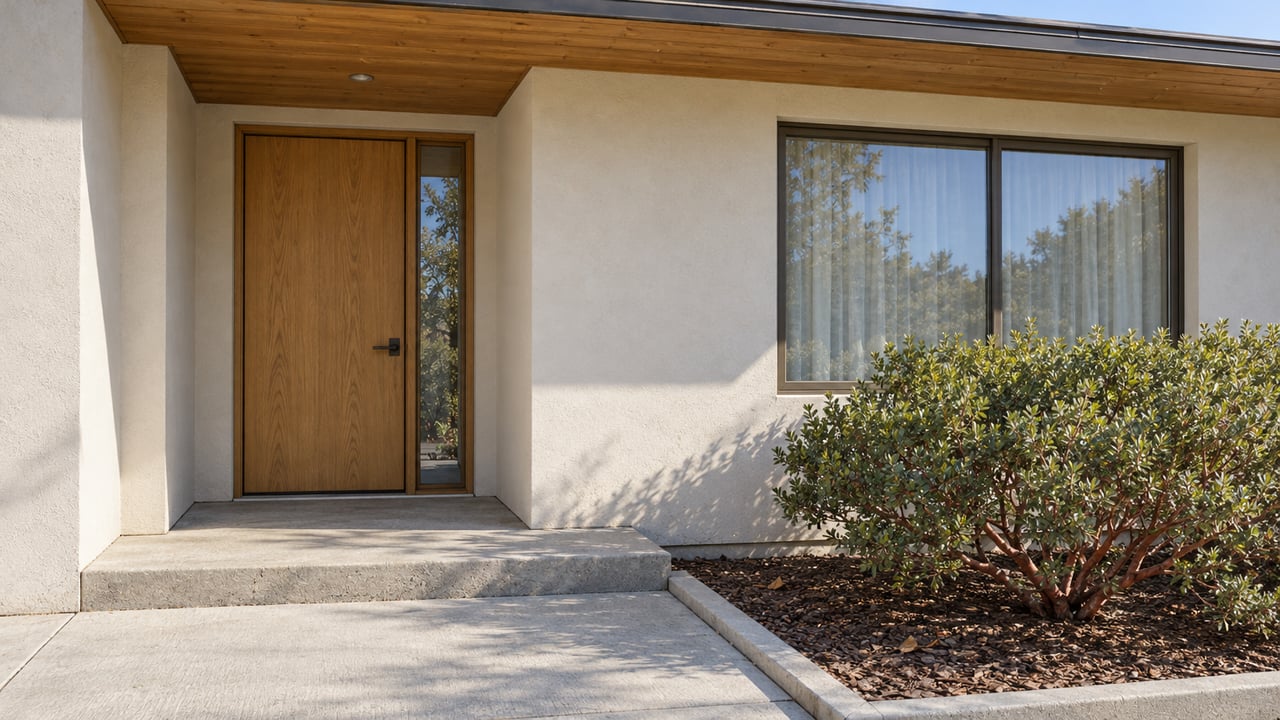
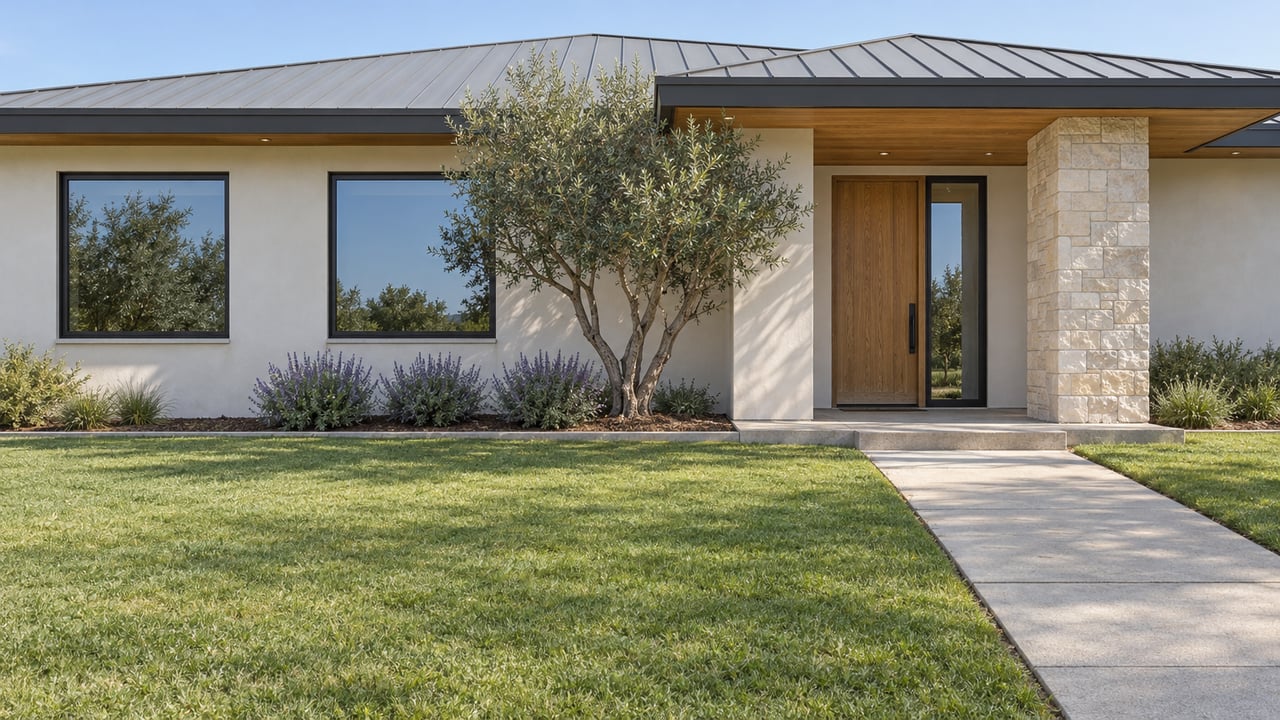
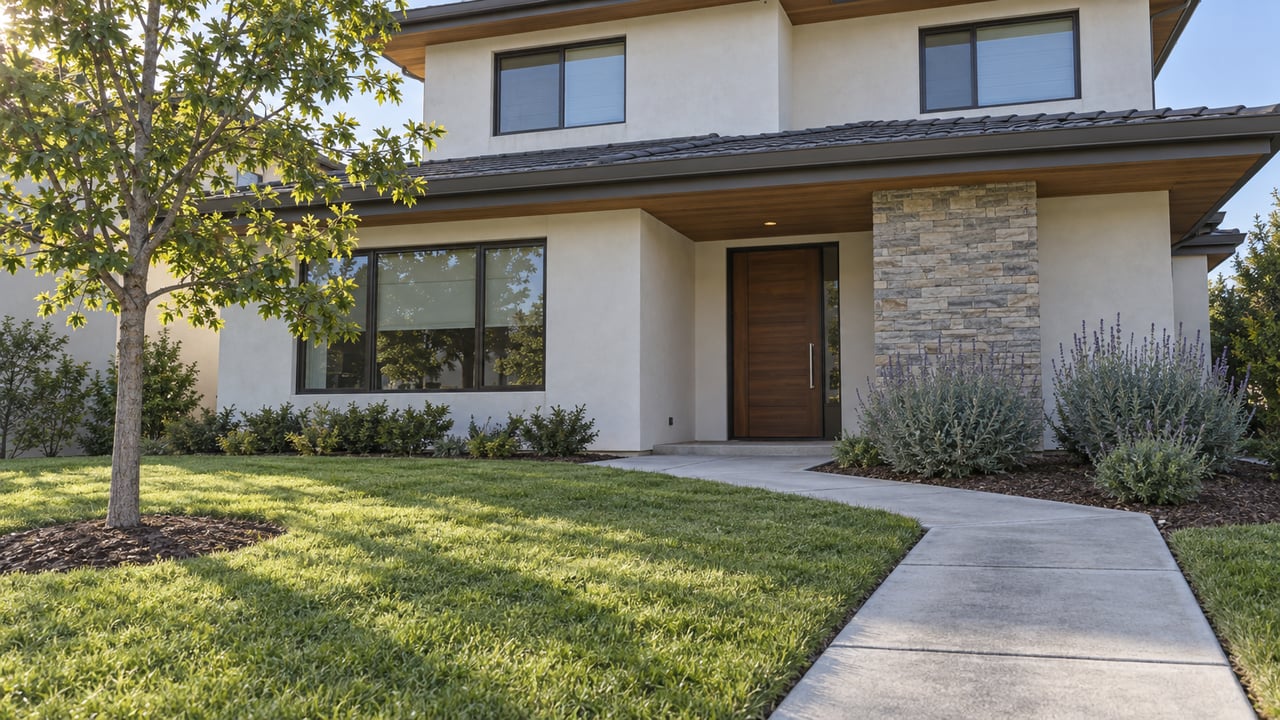
- Boost curb appeal: tidy landscaping, pressure wash, clean gutters, ensure clear house numbers.
- Declutter and depersonalize: remove extra furniture and personal items to open up rooms.
- Get estimates for last-minute work and decide what to complete versus price for.
- Select your listing agent and align on pricing, CMA, and marketing plan.
Weeks 1 to 4
- Deep clean, including carpets and windows.
- Stage key rooms or follow a staging checklist for flow and light.
- Finalize disclosures and review the NHD and TDS with your agent.
- Schedule professional photography and virtual tour for optimal daylight. Consider twilight exteriors.
- Tidy exteriors again with fresh mulch or plants if budget allows.
- Set showing logistics and prepare a property info sheet highlighting utilities and recent improvements.
Critical seller checklist
- Legal and disclosures
- Natural Hazard Disclosure ordered and reviewed
- Transfer Disclosure Statement and other required California forms prepared
- HOA documents gathered if applicable
- Inspections and permits
- Optional pre-listing home inspection
- Termite or pest inspection as needed
- Confirm permits for prior work and address any gaps
- Repairs and maintenance
- Safety items: handrails, smoke and CO detectors, loose steps
- Service HVAC and water heater, check for leaks
- Fix visible issues like roof leaks or failed window seals
- Presentation
- Declutter, depersonalize, and stage
- Professional photos, floor plan, and accurate measurements
- Light, neutral interior where needed
- Landscaping and curb appeal
- Pricing and marketing
- CMA reviewed and pricing set with expected concessions
- Marketing calendar set for MLS, open houses, and online exposure
- Showing plan confirmed for easy access
- Transaction readiness
- Mortgage payoff estimate in hand
- Moving timeline and contingency planned
- Agent or attorney available for document review
California disclosures to prepare
California sellers complete a Transfer Disclosure Statement and a Natural Hazard Disclosure that covers areas such as flood, seismic, and fire zones. In San Joaquin County and Delta-adjacent areas, it is smart to verify flood and drainage details for your specific property. Build in time to review these with your agent and decide whether any pre-inspections or repairs are prudent before you go live.
Rates, inventory, and your plan
Mortgage rates and housing supply can shift your strategy. Higher rates often reduce the buyer pool and can lengthen days on market, even in spring. Low inventory can help sellers outside the traditional peak months. Watch MOI, DOM, and pendings monthly and adjust your list date, pricing, or concessions to match what the data shows.
Track local data like a pro
Check these numbers weekly or monthly from local MLS snapshots or an agent CMA:
- Active and new listings by neighborhood and price band
- Pending and closed sales
- Months of inventory and how it is trending
- Median days on market over the last 90 days
- Median sold price, list-to-sale ratio, and price per square foot
- Recent comparable sales within your subdivision or immediate area
Your next step
If you want top dollar, aim for a March to May launch and begin your 8 to 12 week prep now. If timing is more important than price, plan for June or July and coordinate your move well in advance. Not sure which path is right for you? Get a current CMA, define your priorities, and map a plan that fits your timeline.
You do not have to do this alone. With a concierge approach, local contractor network, and polished digital marketing, our team can help you prep, price, and present your home for maximum value. Schedule a free consultation with Just 1 Real Estate to get your custom listing plan.
FAQs
What is the best month to sell a home in Manteca?
- April and May often deliver the strongest pricing and fastest closings, with March and June close behind depending on rates and inventory.
How long does it take to sell in Manteca by season?
- In typical Central Valley conditions, spring DOM is shorter and winter DOM is longer, with exact timing shaped by your price point and presentation.
Should I list in late February or wait until April in Manteca?
- Late February can capture early spring demand with less competition, while April can offer peak pricing if you are fully prepped and staged.
What disclosures are required for California home sellers?
- You complete a Transfer Disclosure Statement and a Natural Hazard Disclosure that addresses flood, seismic, and fire zone information for your property.
How do interest rates affect the best time to sell in Manteca?
- Higher rates often reduce buyer demand and can lengthen DOM, while lower inventory can offset that and support stronger pricing even outside spring.
What should I do 60 days before listing my Manteca home?
- Finish cosmetic repairs, boost curb appeal, declutter, stage key rooms, finalize disclosures, and schedule professional photos and a virtual tour.